
- Region and Language
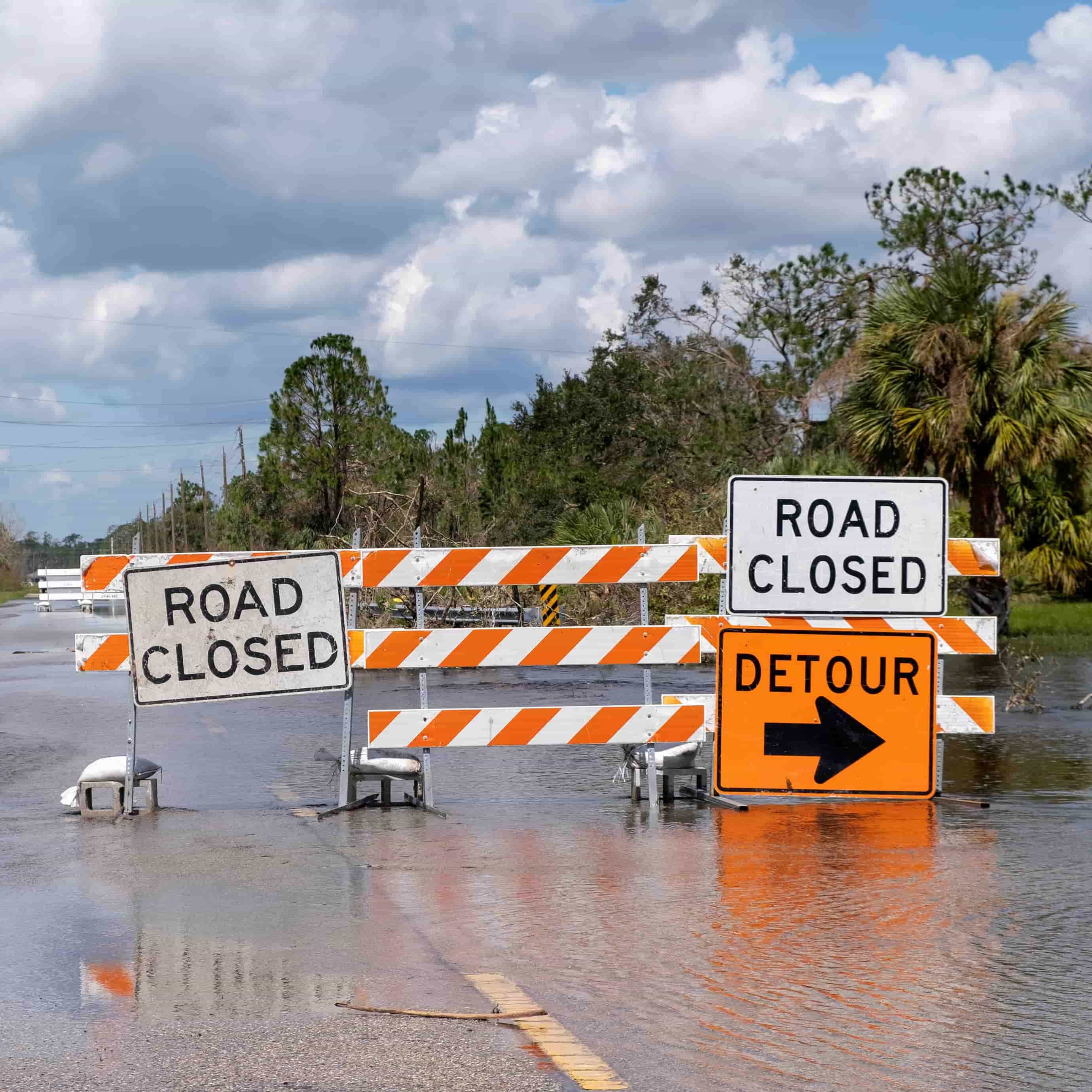
Hurricane season can put real pressure on fleets. Routes can change quickly. Drivers may need extra support. Severe weather can disrupt operations with little warning. Preparing ahead of time can help fleets stay safer and keep operations moving when conditions get tough.
June marks the beginning of hurricane season, and for fleet leaders, this time of year can be especially challenging. Beyond a weather event, it’s a business continuity challenge, and a humbling reminder that, despite our technology, nature remains unpredictable.
Last year’s hurricane season proved exactly that. While no hurricanes made landfall in the U.S., the impact was still significant. Hurricane Barry’s remnants helped trigger deadly flooding in Texas, Hurricane Erin brought storm surge and tropical-storm conditions to the Outer Banks, and Hurricane Melissa caused catastrophic Category 5 damage in Jamaica. Even a quieter season can create serious .
The National Oceanic and Atmospheric Administration (NOAA) is predicting a below-normal Atlantic hurricane season. Their forecast includes:
8 to 14 named storms
3 to 6 hurricanes
1 to 3 major hurricanes, Category 3 or higher
That may sound reassuring, but it doesn’t mean fleet operators can afford to let their guard down. NOAA also emphasizes that seasonal outlooks are not landfall forecasts. They tell us how active the season may be overall, not where or when storms will hit.
Fleet managers play a critical role in helping drivers stay informed and supported before hurricane conditions develop. Before the season begins, make sure your fleet has clear plans for communication, fueling, charging and emergency support.
Don’t let evacuation planning become static. Before hurricane season begins, review primary and backup routes for every region your fleet operates in. During your pre-season route planning, make sure you:
Monitor road construction along key routes.
Identify flood-prone areas.
Review bridge closures and traffic bottlenecks.
Track local evacuation orders.
Build extra time into each route plan.
When severe weather threatens, make sure you have a clear communication plan in place. Drivers should know how they will receive weather alerts, route updates, and emergency instructions.
Use multiple communication channels, such as email, text messages, and mobile app notifications, so important updates can still reach drivers if one channel becomes unavailable.
Make sure drivers know who to contact and where to turn for help if routes or weather conditions suddenly change.
Access to 24/7 assistance through multilingual, in-house contact centers can help drivers get timely support when they need it.
Element remains committed to supporting clients before, during, and after severe weather events. From vehicle damage reporting and roadside assistance coordination to fleet guidance and operational support, our team is available to help you navigate disruptions and keep your drivers safe.
Storm damage can be unpredictable, so it is important to document the condition of your fleet before severe weather arrives. Take clear photos of each vehicle’s interior and exterior before the storm to create a record of its condition.
This can help support insurance claims and reduce liability questions if a vehicle is damaged. If any fleet vehicle experiences flood damage during a hurricane, have it towed to a repair center for a full evaluation.
Add NOAA and Environment Canada alerts to your fleet management dashboard when possible. If that is not available, assign a team member to monitor updates and share them with drivers in real time.
In addition to your fleet safety plan, it can be helpful to keep trusted emergency preparedness resources close at hand. Ready.gov (opens in a new tab) and NOAA (opens in a new tab) offer hurricane preparedness information that can complement your internal procedures, including guidance on emergency alerts, evacuation planning and staying safe before, during and after severe weather.
Fuel can quickly become difficult to access before and after a hurricane. During Hurricane Idalia in 2023, fuel deliveries were delayed in some areas due to strong winds and unsafe road conditions. For fleets, that kind of disruption can mean longer wait times, limited supply and fewer refueling options when vehicles need to stay on the road.
Make sure every gas-powered vehicle has a full tank before the storm hits. Power outages can leave fuel stations closed for days, so confirm refueling options along primary and backup routes ahead of time.
Use tools like GasBuddy (opens in a new tab) to locate open fuel stations and update your route plans before evacuation traffic or storm conditions make refueling unsafe.
For , storm preparation starts with ensuring vehicles are fully charged. Don’t wait until a hurricane watch is issued to start charging every vehicle at once. Charging stations may become crowded and power outages can affect depot chargers. Evacuation traffic can also make it harder to move vehicles when needed. Fleet operators can review contingency plans for charging infrastructure outages and identify alternate charging locations ahead of time.
Make sure EVs are fully charged before conditions deteriorate, starting with vehicles scheduled for active routes.
Map charging stations along primary and backup routes and keep offline copies available in case drivers lose service during the storm.
Flooding and EVs don’t mix. Water damage to an EV battery or electrical system can lead to serious repair bills or a total loss. If possible, park EVs in elevated areas or on car lifts to help keep them above potential floodwaters. Avoid underground or low-lying garages.
During harsh weather, roadside assistance may not be available right away. Flooding and high call volumes can delay help when drivers need it most. That is why every fleet vehicle should be equipped with a roadside emergency kit before hurricane season begins.
Bottled water and a blanket can make a difficult wait safer and more manageable. Also, ensure there are practical safety and repair items such as a first-aid kit, safety triangles, flares, jumper cables, a tire inflator, a toolbox and a wrench. These supplies can help until help arrives.
Below-normal forecasts for the 2026 hurricane season (opens in a new tab) might sound like good news, but it doesn’t mean fleets are in the clear. As every fleet manager knows, a quieter forecast can still bring storms strong enough to throw routes off schedule, damage vehicles and put drivers in unsafe conditions.
Don’t wait for the next storm to test your fleet’s readiness. With the right strategy, you can help drivers avoid unsafe conditions, reduce delays and keep operations moving when severe weather threatens the road ahead. to learn how we can help you build a stronger plan before the next storm hits.