
- Region and Language
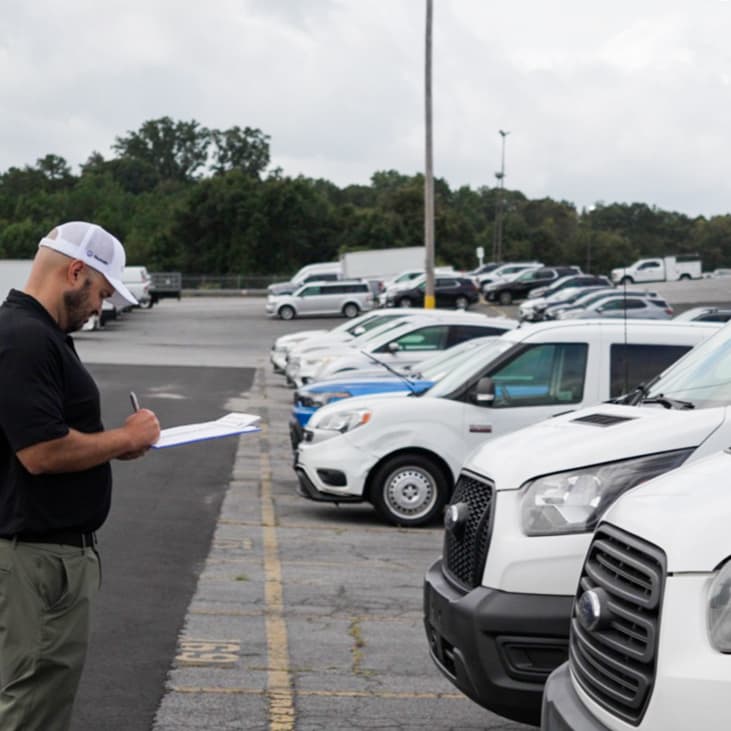
Fleet remarketing gives businesses a practical way to sell used fleet vehicles and keep replacement cycles moving. This blog explains why vehicle remarketing is beneficial for fleets and how Element’s auction process helps make the sale easier from start to finish. It also shows how a structured remarketing process can help you auction vehicles with less administrative burden on your team.

Signs you need to sell: When your fleet vehicles reach a point where mileage or maintenance needs start making it harder to maintain service standards, remarketing can be the smarter move.
Depreciation: AAA’s 2025 analysis found depreciation averages $4,334 a year, showing how significantly vehicle ownership costs can affect your budget.
Remarketing potential: Even heavily used vehicles have the potential to be remarketed. In one example, an oil company generated $250,000 annually by reselling vehicles and parts that had been headed for the scrapyard.
Vehicle data: Clearing vehicle history helps protect your brand and sensitive data by removing private information like garage codes and business details from the vehicle.
For any fleet, there comes a point when keeping older vehicles on the road starts to make less financial sense. When your fleet vehicles aren't able to give the mileage you expect out of them, or if they're starting to breakdown more often, remarketing them could be your best option.
A report by AAA found that depreciation is the biggest cost of vehicle ownership, averaging $4,334 a year in its 2025 (opens in a new tab) analysis. That’s a clear sign that age and declining resale value can slow down your business's momentum and put a dent in your budget. If you're facing the same issues, consider auctioning your used fleet vehicles to maximize their resale value.
Fleet remarketing is the process of selling used vehicles once they have reached the end of their operational life in a fleet.
That doesn't mean these vehicles are headed straight for the scrapyard. There’s often still plenty of life left in them, but rising maintenance costs or an expiring lease can make remarketing the more cost-effective option. Depending on the vehicle’s condition, location, and market demand, it may be sold through an auction or direct sale.
In many cases, businesses that use their vehicles very heavily assume no one will want to pay much for them. We have seen this across construction, mining, oil and gas, and waste management fleets. In one example, an oil and gas company was sending its vehicles to the scrapyard after just a few years of service. stepped in and helped generate $250,000 annually through the auction of the vehicles and parts from some of them. It is a strong example of why vehicle remarketing matters. To see how the process works step by step, take a look at our auction process.
Our experts remarket over 200,000 used fleet vehicles for clients every year. We are the first fleet management company to partner with auctions to delete vehicle data, including navigation, garage codes, and business details, helping protect your brand and identity.
It all starts in Element’s digital fleet command center, our client portal, which keeps everything organized from the first request through to sale. Let’s walk through how the process works and how easily you can sell your fleet vehicles.
You start by identifying the vehicle that is ready to be remarketed in Element’s client portal. From there, the request enters the process and the vehicle moves into the next stage.
Our team checks whether the title is already in-house. This is an important early step because having the title ready helps keep everything moving without delays.
For leased vehicles, our remarketing team checks whether the title is already on file. If the vehicle is company-owned and the title is needed, the portal will prompt you to physically mail it to us and provide the appropriate instructions.
Once the title is confirmed, Element assigns the vehicle to the right auction and arranges transport. The goal here is to place your vehicle in the best market and keep the process moving smoothly.
Next, a floor price is set to help protect your value. This gives you a minimum target while still keeping the vehicle competitive in the market.
Element then checks whether the vehicle needs any mechanical work before it’s sold. This helps you avoid spending on repairs that won’t pay off, while taking care of the ones that could improve resale value.
The vehicle is picked up and checked in at the auction house, where a condition report is created. If reconditioning or mechanical work has been ordered, that work is completed before the vehicle is listed for sale.
Once the vehicle is ready, Element lists it for auction and presents it to buyers. Element’s remarketing team represents your fleet at the auction, attending in-person or virtually and making real-time decisions throughout the sale.
After the vehicle is sold, the proceeds are reflected in your billing, giving you a clean closeout on the sale.
If your fleet vehicles are underutilized, generating high repair bills, breaking down frequently, or approaching lease expiry, it may be time to consider remarketing. With fuel prices fluctuating and the cost of running a business continuing to rise, unnecessary vehicle expenses can put extra pressure on your budget. Element’s remarketing experts can help you identify underperforming vehicles and estimate what they might be worth through a .