
- Region and Language
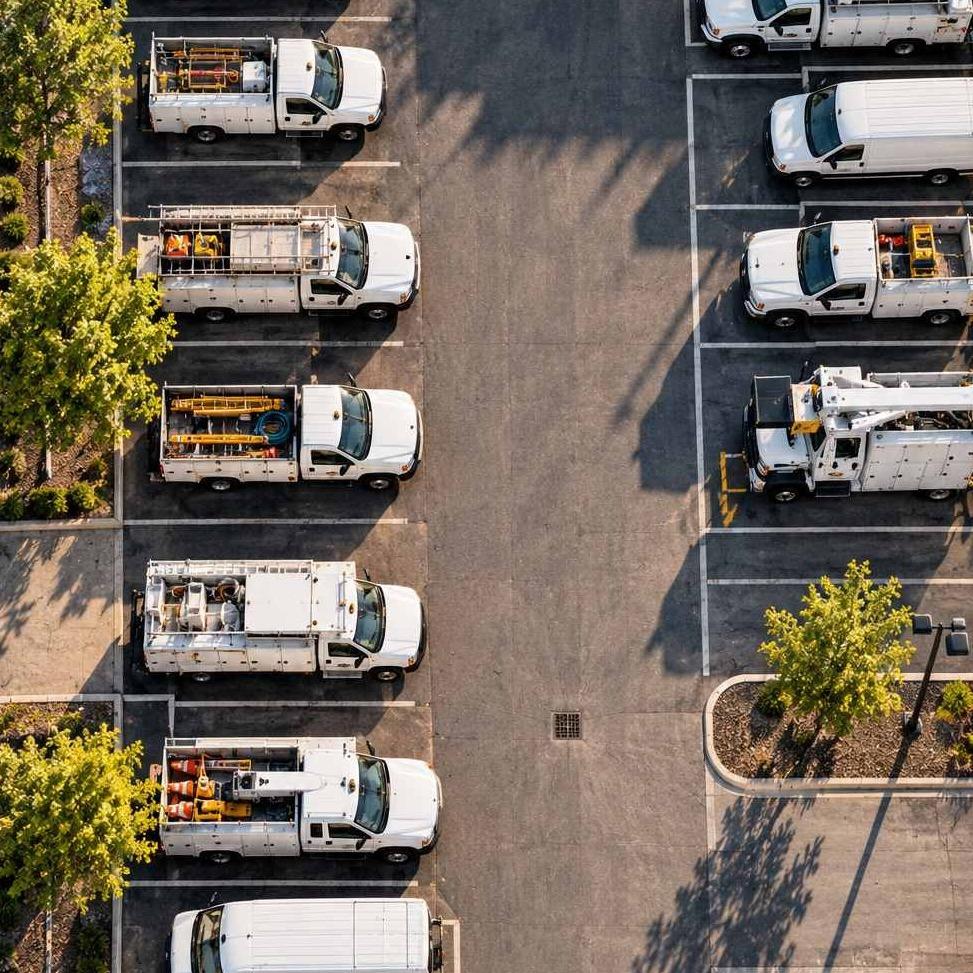
The City of Salem transformed its government fleet management operations by improving maintenance workflows and using fleet data to make better decisions. Jim Schmidt shares how these changes, along with outsourcing specialized tasks, helped improve fleet efficiency.
Reduce fuel costs: Turning off engines when idling isn't necessary can significantly reduce fuel spending. Jim Schmidt identified approximately $300,000 in potential annual savings for the City of Salem, though the savings were not fully realized.
Building employee trust: By listening to technicians, following through on their suggestions, and giving them more ownership of their work, Jim Schmidt helped improve morale and build a workplace where employees felt comfortable sharing ideas.
Data-driven maintenance decisions: When comparing replacement parts, the City of Salem's fleet maintenance team found that spending $200 more on a factory starter could help avoid repeated breakdowns and towing bills of approximately $1,000.
Strategic maintenance outsourcing: By outsourcing vehicle upfitting and specialized repairs, the City of Salem reduced delays in getting new vehicles ready for service and allowed its technicians to focus on routine maintenance.
Managing a government vehicle fleet comes with its own set of challenges. From police cars and firetrucks to public works vehicles, every asset plays a role in delivering essential services to the community.
But what happens when those vehicles spend too much time in the repair shop?
That was one of the challenges facing the City of Salem, Oregon, when Jim Schmidt took over fleet operations in 2018. Departments were frustrated with long repair times, technicians were dealing with inefficient workflows, and fleet vehicle availability was at 88%. Today, the city's fleet team manages nearly 1,200 assets with just nine technicians and has improved vehicle availability to 99%.
In a recent episode of , Jim Schmidt, Acting IT Director and former Fleet Manager for the City of Salem, Oregon, shared how he led his team in transforming the city's fleet operations, improving vehicle availability and earning recognition as the #1 government fleet in 2026 (opens in a new tab).
When Jim took over, the city's fleet maintenance shop was dealing with repair backlogs, disorganized workflows, and ongoing disagreements between shifts. Other city departments were frustrated too. Vehicles were taking too long to return from maintenance, and some departments were considering outside repair providers. Salem's fleet includes approximately 650 on-road vehicles, along with trailers, construction equipment, firefighting apparatus, and other specialized assets. With just nine technicians maintaining such a diverse government vehicle fleet, the team needed a more practical way to manage repairs.
One of Jim's priorities was reducing the time vehicles spent waiting for repairs. When he started, fleet availability was 88%. Improving that number meant addressing several factors, including technician availability, repair bay space, parts inventory, and maintenance priorities. Communication was another issue. Departments frequently called asking when their vehicles would be ready. Jim set realistic expectations around repair timelines and follow-up communication, so departments knew what was happening with their vehicles. The team also improved parts management by bringing in an external provider. Instead of relying on two internal parts employees, the city brought in an external provider with five employees to manage inventory and make parts more readily available. These changes helped the shop complete many routine repairs within 24 hours and contributed to the increase in fleet availability to 99%. H2: What are the benefits of outsourcing government fleet maintenance? tasks can help government fleets reduce vehicle downtime and make better use of their internal resources. Jim's team saw several benefits from outsourcing vehicle upfitting and specialized repairs. They were able to:
Reduce vehicle backlogs: Previously, new vehicles sometimes sat unused for so long that portions of their warranties expired before entering service. Outsourcing upfitting allowed vehicles to arrive ready for use.
Free up technicians: Outsourcing complex engine and transmission repairs when appropriate allowed internal technicians to focus on routine maintenance and repairs.
Standardize vehicle upfits: Choosing providers that use consistent wiring, fuses, and lighting made vehicles easier to maintain and reduce the number of different replacement parts needed.
Jim also introduced a dedicated fleet data analyst and expanded the use of telematics to support better maintenance decisions. For example, maintenance data revealed a costly pattern in firetruck starter failures. The team discovered that remanufactured starters were lasting approximately 1,800 hours, compared with 4,000 hours for a factory starter. Although the remanufactured part saved $200 upfront, each failure could lead to a $1,000 towing bill.
"We just saved thousands of dollars, and they're still in service," Jim explained. For government fleets working within public budgets, this is an important consideration. The cheapest repair isn't always the most cost-effective one. By reviewing maintenance data, fleet managers can better understand recurring failures and compare repair options.
Operational improvements were only part of the city's transformation. Jim wanted technicians to feel more involved in their work, so he introduced weekly team meetings where employees could raise concerns and suggest changes. By listening to their feedback and following through on his commitments, he gradually built trust and encouraged employees to take ownership of their workplace.
Over time, technicians began making improvements themselves, from clearing unused equipment to maintaining a cleaner workspace. The change became noticeable to other departments. Jim recalled an employee from the water department walking through the shop and asking, "How come everybody's just smiling here?" For Jim, that was a sign the workplace culture had changed.
Improving government fleet management operations doesn't always mean hiring more technicians or expanding maintenance facilities. Sometimes, it means making better use of existing resources and building a stronger team culture. For Jim Schmidt, the changes also helped demonstrate the value of the city's fleet operations to leadership. By sharing performance results and gaining industry recognition, his team could show how their work supports essential public services.
For organizations looking to improve fleet maintenance, understanding where vehicles lose time is a useful place to start. to explore ways to improve vehicle availability and reduce fleet downtime.
Government fleets can reduce costs by looking at how their vehicles are being used and where money is being spent unnecessarily. At the City of Salem, Jim Schmidt identified approximately $300,000 in potential annual savings from reducing vehicle idling. He also questioned whether departments needed additional spare vehicles when existing vehicles could be repaired and returned to service quickly. Reviewing these areas can help fleet managers find opportunities to control spending without affecting essential services.
Good government fleet asset management starts with understanding how vehicles are used and making the most of existing resources. At the City of Salem, Jim Schmidt questioned whether departments needed additional spare vehicles when existing vehicles could be repaired and returned to service quickly. By improving vehicle availability from 88% to 99%, his team demonstrated how better fleet operations could help departments meet their needs without automatically adding more vehicles.
Government organizations can lease fleet vehicles through fleet management companies like Element, which offers flexible financing options, including operating and capital leases. These solutions can help reduce upfront vehicle costs, improve cash flow, and support long-term fleet planning. Before selecting vehicles, it's important to understand how different departments will use them. Jim Schmidt explains how his team worked with departments to standardize vehicle configurations rather than customizing them for individual drivers, making vehicles easier to reassign without additional modifications.
Fleet management companies such as Element help government organizations manage through a network of over 50,000 repair facilities and certified professionals. When selecting a provider, Jim Schmidt recommends looking at their experience with specific vehicle types and ability to complete work on time.