
- Region and Language
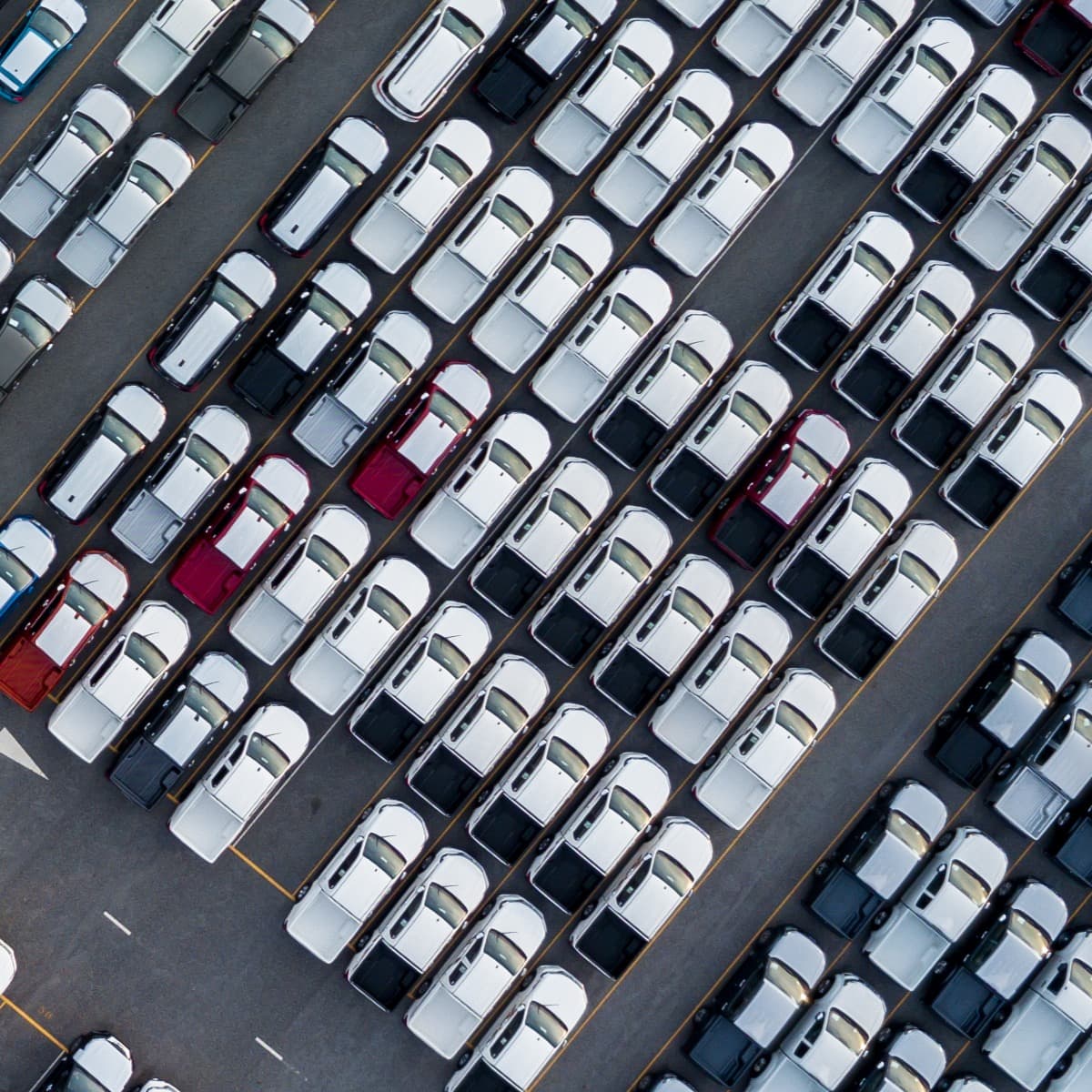
If your fleet costs continue to rise year after year, you’re not alone. Vehicles cost more to buy/lease and maintain, with fuel adding significant pressure across your operation. But the rising total cost of ownership doesn’t have to dictate your strategy. With proactive maintenance, smarter route management, stronger telematics insights, and driver training, you can create measurable reductions in TCO. Pair these practices with a strategic fleet remarketing plan, and you can operate more cost-efficiently while protecting long-term margins.

Smarter vehicle acquisition and resale. When we talk about reducing the total cost of ownership, having a smarter acquisition and remarketing plan can lower your fleet costs significantly.
Proactive maintenance strategy. Breakdowns and downtime quickly increase your overall costs, while a proactive approach helps fleets stay ahead of mechanical issues and reduce avoidable expenses.
Route management improves fleet efficiency. Idle time and fuel consumption play a key role in driving up your fleet TCO. To control these factors, smarter route management has become extremely important for fleet operators.
Evolving technology empowers fleet management. Advanced telematics and AI-driven analytics have changed how fleets operate. Access to real-time data empowers fleet leaders to make more confident, cost-saving decisions.
Smarter vehicle acquisition and resale. When we talk about reducing the total cost of ownership, having a smarter acquisition and remarketing plan can lower your fleet costs significantly.
Proactive maintenance strategy. Breakdowns and downtime quickly increase your overall costs, while a proactive approach helps fleets stay ahead of mechanical issues and reduce avoidable expenses.
Route management improves fleet efficiency. Idle time and fuel consumption play a key role in driving up your fleet TCO. To control these factors, smarter route management has become extremely important for fleet operators.
Evolving technology empowers fleet management. Advanced telematics and AI-driven analytics have changed how fleets operate. Access to real-time data empowers fleet leaders to make more confident, cost-saving decisions.
Total cost of ownership (TCO) is the full lifecycle cost of putting a vehicle into service, operating it, and eventually remarketing it. It includes acquisition, depreciation, fuel or energy, maintenance, insurance, downtime, and resale value.
Vehicle acquisition costs continue to rise year over year. In December 2025, the average new vehicle transaction price reached $50,326 (opens in a new tab), up $586 or 1.2% from $49,740 in December 2024 (opens in a new tab). Average MSRP increased to $52,627, a $637 or 1.2% increase from $51,990 the year before. Starting with a higher purchase price immediately increases depreciation and financing costs.
Maintenance costs continue to climb. The CPI index (opens in a new tab) for motor vehicle maintenance and repair increased 4.95% year over year in January 2026, reflecting ongoing pressure on labor and parts costs.
Insurance is also adding to the strain. The U.S. motor vehicle insurance CPI rose from 794.14 in January 2024 to 892.49 in January 2026, marking a significant increase over the past two years.
When acquisition, maintenance, and insurance rise together, TCO increases quickly. However, there are several ways you can manage and control these costs.
Vehicle depreciation plays an important role in total cost of ownership (opens in a new tab), especially when considering resale value. According to AAA’s 2025 analysis (opens in a new tab), the average annual cost to own and operate a new vehicle is $11,577. Of that, $4,334 per year is attributed to depreciation. This makes and replacement timing critical.
Choosing the right vehicle specifications matters, and deciding when to replace a vehicle is just as important. Replace it too early, and you increase capital costs. Replace it too late, and you risk rising maintenance expenses, unexpected downtime, and lower resale value.
Instinct isn’t enough to guide this decision. You need a clear lifecycle cost comparison that shows what each vehicle is truly costing you over time.
That means looking at:
Where the vehicle sits on its depreciation curve
Whether maintenance costs are starting to climb
How much downtime is affecting productivity
How heavily the vehicle is being used
The right time to remarket before resale values decline faster
Timing, however, is only part of the equation. How you sell the vehicle is just as important as when you sell it. A structured fleet remarketing strategy can significantly improve resale outcomes and help protect your equity. By leveraging multiple sales channels, including online and physical auctions, you increase the likelihood that your vehicles reach the right buyers at the right time.
With a remarketing plan, you can make data-driven decisions and maximize the appeal of your vehicles before they hit the market.
Rising maintenance costs are one of the most common concerns we hear from clients. Just like an apple a day helps keep the doctor away, regular oil changes and tire pressure checks help prevent costly breakdowns in your fleet. Too often, fleets underestimate how quickly reactive maintenance drives up repair costs and downtime. This puts pressure on your budget.
Scheduling regular service, from oil changes and tire rotations to preventive inspections, helps address minor issues before they become major failures. Instead of reacting to costly emergencies, you gain control over maintenance costs and vehicle uptime.
A proactive maintenance strategy helps you:
Reduce emergency repair costs
Avoid towing and rental costs
Limit expediting and rush fees
Protect asset lifespan and resale value
Improve vehicle uptime and driver productivity
When maintenance is planned and data-driven, your fleet operates more efficiently, and your total cost of ownership stays under control.
You may think about depreciation and maintenance occasionally, but fuel and energy are something you plan for every trip. For fleets that deliver goods and services, fuel and energy remain among the largest operating expenses. When prices fluctuate, the impact is immediate. This puts pressure on budgets. In Navman’s 2024 telematics survey (opens in a new tab) of global fleet professionals, 47% of respondents listed fuel costs as their top business challenge. As more fleets adopt electric and hybrid vehicles, electricity and charging efficiency are becoming equally important factors in managing operating costs.
Operational inefficiencies also contribute to higher fuel and energy spending. Excessive idling, traffic congestion, improper load distribution, and poor route planning all increase fuel consumption, drain battery power, and reduce cost efficiency. For electric vehicles, inefficient routing can increase charging frequency and energy demand. This is why smart route management systems are important. They help address these issues at the same time.
Smarter route management helps you:
Reduce fuel and energy consumption
Lower maintenance strain
Minimize idle time
Extend vehicle life
Even single-digit improvements in miles driven or reduced idling can materially lower fleet TCO.
Fleet management has evolved beyond vehicles and logistics. Today, technology helps fleet operators improve efficiency, control costs, and respond to operational challenges quickly. Tools such as and AI-driven analytics provide real-time insights. These insights allow faster data-driven decision-making.
In simple terms, data reduces fleet TCO when it changes decisions in four areas: what to buy, when to service, how to route, and how to manage risk (collisions, claims, compliance). Leveraging technology is essential to maintain a competitive fleet.
When risky behavior leads to injury or fatality crashes, costs increase significantly due to medical payouts, legal exposure, insurance impacts, and lost productivity. According to the National Census of Fatal Occupational Injuries in 2024 (opens in a new tab), transportation incidents continue to be the most frequent type of fatal event, accounting for 38.2 percent of all occupational fatalities in 2024. A skilled driver does more than steer a wheel.
Every brake, acceleration, and turn affects fuel consumption, vehicle wear, and overall operational efficiency. To increase driver safety and reduce corporate risk, it is essential to provide drivers with the right training. Targeted driver safety training helps at-risk drivers improve behavior and adopt safer habits before minor issues become major losses, protecting lives and your business. Ensuring that drivers have the right knowledge and access to supportive tools is key to improving behavior. Proactive training based on fleet data helps address distracted driving, tailgating, and speeding, and decreases fuel waste and brake and tire wear.
From acquisition and maintenance to fuel and driver behavior, there are many ways your fleet TCO can quickly spiral beyond budget. However, you can control these factors with the right plan. Strategic remarketing planning, proactive maintenance, route management, data-driven decision-making, and driver training all contribute to meaningful reductions across the fleet lifecycle.
If you want to identify the leading factors behind your rising TCO and explore how to manage them, our team can build a plan based on real operational insight.
Start with the cost drivers that are both material and actionable in your fleet. Fuel, maintenance, and vehicle acquisition are often key areas to examine because they can have a significant impact on overall fleet costs.
Fleet TCO includes acquisition or funding, depreciation, fuel or energy, maintenance, insurance and risk, taxes and administration, downtime, and resale value over a consistent period.
Use your fleet data to identify costs that have the greatest impact on your fleet. Pay particular attention to vehicle acquisition, fuel, and maintenance costs, and compare results across similar vehicles or fleet segments to identify trends and opportunities.