
- Region and Language
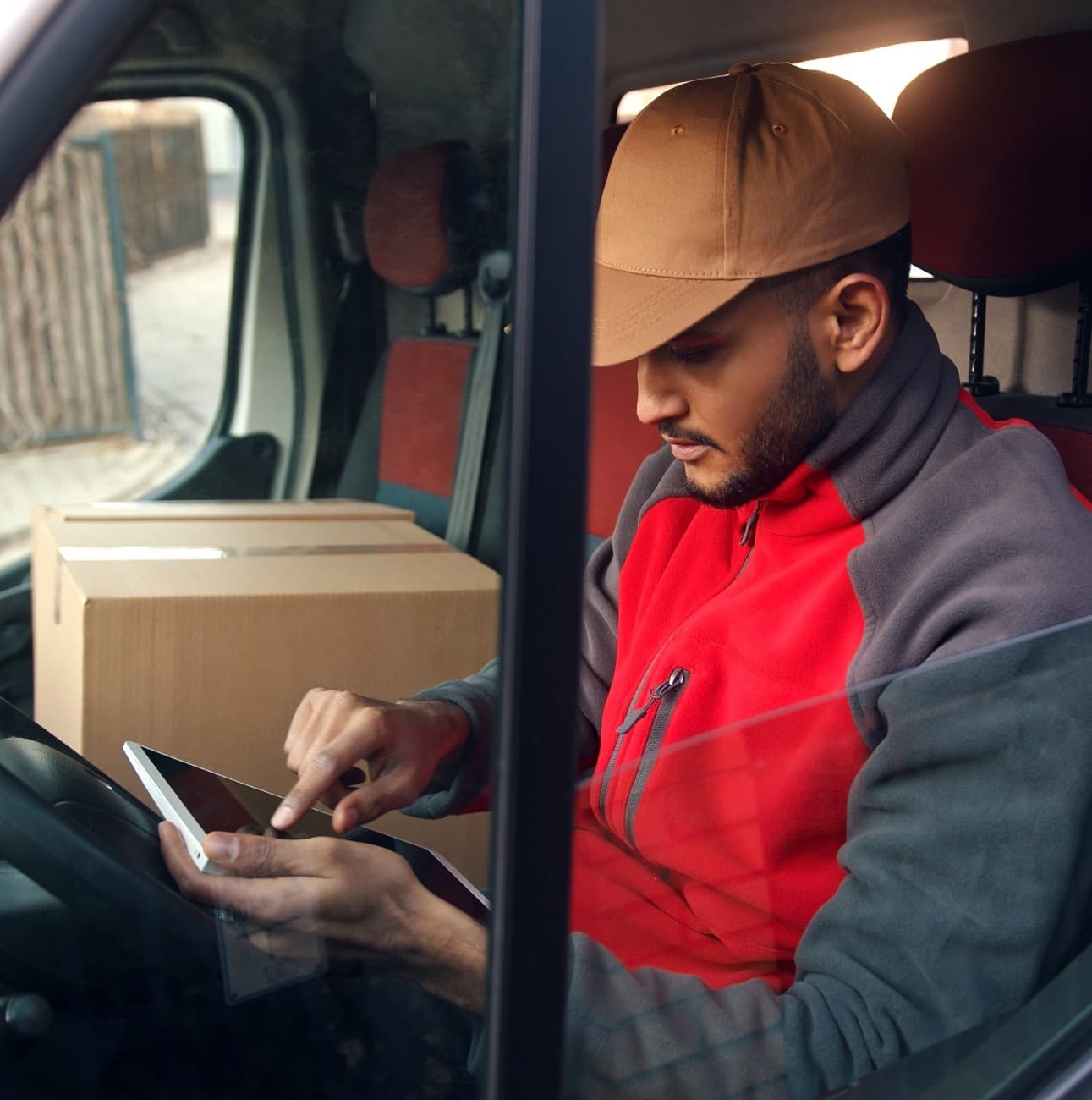
Fleet driver engagement is a critical factor in fleet performance, influencing safety, retention, and program success. On the latest episode of The Fleet podcast, Michael Acosta highlights how driver feedback, trust, and experience directly impact outcomes. Organizations that prioritize fleet driver needs are better positioned to reduce risk and maximize fleet performance.
Fleet driver engagement is the foundation of successful fleet programs, impacting safety, compliance, and overall performance.
Honest, unfiltered driver feedback reveals insights traditional surveys often miss.
Balancing technology with trust is essential to gain fleet driver buy-in and adoption.
A driver-first approach helps fleets improve retention, satisfaction, and long-term results.
Fleet driver engagement is the foundation of successful fleet programs, impacting safety, compliance, and overall performance.
Honest, unfiltered driver feedback reveals insights traditional surveys often miss.
Balancing technology with trust is essential to gain fleet driver buy-in and adoption.
A driver-first approach helps fleets improve retention, satisfaction, and long-term results.
Managing a fleet can often feel like solving a puzzle with missing pieces. You can invest in the right tools, build strong policies, and still struggle to get drivers to follow them. That’s because fleet success starts with drivers, not systems.
“The data we have comes from our drivers… everything ultimately goes back to that,” said Michael Acosta, global fleet operations specialist at UCB.
In a recent conversation on The Fleet Podcast (opens in a new tab), Michael shared a practical, people-first perspective on fleet management that has plenty of insights for today’s fleet leaders.
Fleet leaders often focus on improving processes, implementing new tools, or negotiating better contracts. Michael, however, makes a compelling case that driver engagement is, by far, the biggest lever. Drivers spend hours, sometimes entire days, inside their vehicles. That proximity creates both an opportunity and a risk. “They’re in them. They should know more than anyone what it means to have a good fleet.” said Michael. When drivers feel heard and supported, adoption of programs, tools, and policies becomes significantly easier. When they don’t, even the best-designed initiatives can fall flat.
How can fleet leaders improve driver experience?
Treat drivers as stakeholders, not end users.
Design programs with real-world driver experience in mind.
Recognize that engagement drives compliance, safety, and return on investment.
Michael puts it bluntly: fleet drivers don’t need to understand high-level strategy, but they do need to care about their vehicles. “That’s the very bottom line; they love their cars.” That emotional connection is powerful. It influences:
How drivers treat vehicles
Their openness to change
Their willingness to engage with fleet programs
Fleet then becomes a key part of the employee experience.
One of the most eye-opening moments Michael shared came from an unexpected place: an anonymous industry message board. The feedback involved direct complaints about certain fleet decisions, such as specific model selections.
“It was very brutal… but it also works.” The reason it works is the level of honesty it contains. The feedback was unfiltered in a way traditional channels rarely capture, surfacing real frustrations and priorities that might otherwise go unnoticed.
If you only rely on formal feedback channels, you’re likely missing the full picture.
Smart moves for fleet leaders:
Look beyond surveys by monitoring informal channels where possible.
Create safe spaces for honest feedback.
Act on feedback quickly to build trust.
Technology is transforming fleet from to AI-powered analytics, but it comes with a challenge: driver skepticism. Privacy concerns are real, especially in passenger fleets where drivers are also employees in sales or leadership roles. “There’s enough suspicion about phones… now you’ve got the car too.” Michael emphasizes that trust is the deciding factor. Without it, even beneficial tools can face resistance.
Best practices to build trust:
Be transparent about what data is collected and why.
Focus on driver benefits (safety, theft recovery, etc.)
Only collect the data you truly need.
When it comes to satisfaction, Michael believes the formula is surprisingly simple:
Provide competitive, desirable vehicles.
Minimize unnecessary administrative burden.
“They want nice cars. They don’t want to be harassed constantly by required driver actions.”
At UCB, that means giving drivers more flexibility and reducing friction wherever possible. The company offers a range of vehicle options, including EVs and family-friendly models, along with personal-use allowances and program designs that avoid overloading drivers with unnecessary tasks. Even small decisions, like offering third-row SUVs, can have a meaningful impact on retention and satisfaction.
For multinational fleets, one of the biggest challenges lies in aligning global goals with local conditions. Take as an example. While corporate leadership may push aggressive EV targets, local infrastructure can tell a different story. Michael’s approach is to adapt, rather than resist.
Use hybrids or alternative where EVs aren’t viable.
Document incremental progress.
Provide data to support local decision-making.
This balance ensures progress without forcing unrealistic expectations.
Despite all the talk of technology, data, and strategy, Michael keeps coming back to one core idea: People drive fleet success.
“People are the power,” he said.
What he’s getting at is easy to overlook in a function that’s often measured in costs, utilization, and compliance. Every part of a fleet program, whether it’s telematics adoption, vehicle selection, outcomes, or sustainability progress, ultimately depends on human behavior.
That’s why even the most advanced tools or well-designed policies can fall short if the people behind them aren’t engaged. Conversely, when trust is strong and relationships are in place, fleets can move faster, adopt change more easily, and solve problems before they escalate.
Face-to-face interaction, regular communication, and genuine engagement still outperform any tool or system.
If you’re looking to strengthen driver engagement, improve satisfaction, and get more out of your fleet program, Element can help. Our experts work with organizations to design fleet strategies that put drivers first, without losing sight of cost, safety, or performance.
to improve driver engagement and reduce risk.